
Beneath the Behavior
Understanding Your Dog’s Nervous System
A gentle, science‑rooted look at why behavior happens — and how healing begins.
Every dog experiences the world through their nervous system. It's the part of the body that constantly scans for safety, interprets experiences, and decides how the dog needs to respond in order to survive. When a dog feels safe, their nervous system opens. When a dog feels overwhelmed, their nervous system protects.
This is the foundation of all behavior — not obedience, not training level, not "good" or "bad" choices.
Just physiology doing its best to keep the dog alive.
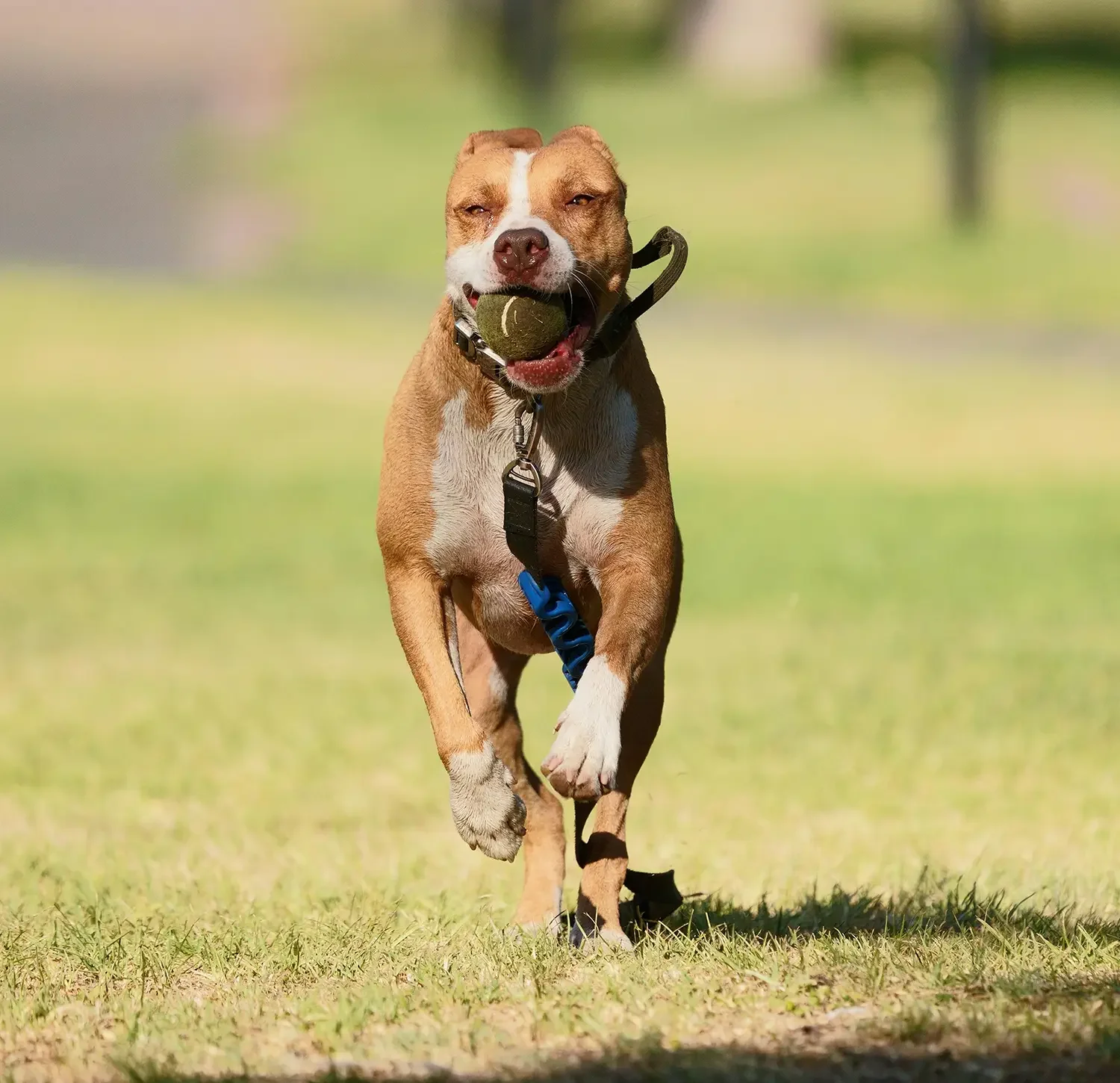
The Three Core Nervous-System States
Regulation
(Safe & Social)
This is the state where dogs feel grounded and open to the world around them.
You’ll see:
• relaxed muscles
• soft eyes
• curiosity
• the ability to rest
• the ability to learn
This is the state where connection and learning naturally happen.
Mobilization
(Fight or Flight)
When the nervous system senses danger, it prepares the body to move.
You might see:
• barking
• lunging
• pacing
• pulling
• frantic behavior
• hypervigilance
This isn’t “misbehavior.”
It’s the nervous system saying: “I need to protect myself.”
Shutdown
(Freeze or Collapse)
When escape doesn’t feel possible, the nervous system shuts down to survive.
You might see:
hiding
refusing food
stillness that looks “calm”
not responding
shutting down in new environments
This is not stubbornness.
It’s the nervous system saying: “This is too much.”
What Can Create Trauma in a Dog's Nervous System
Trauma isn’t always a dramatic event. For dogs, trauma often comes from chronic overwhelm, lack of safety, or experiences their nervous system wasn’t equipped to handle. These experiences shape how the dog sees the world and how quickly their system moves into survival mode.
-
Early Life Experiences
• under‑socialization
• chaotic or unpredictable environments
• lack of gentle exposure during critical periods
• being separated too early from litter or mother -
Stressful or Unsafe Environments
• overcrowded shelters
• frequent rehoming
• long transport journeys
• loud, chaotic foster settings
• inconsistent routines -
Abandonment or Loss
• being surrendered
• being left behind
• losing a familiar person or animal
• sudden changes in home or caregivers -
Negative or Overwhelming Experiences
• harsh training methods
• punishment or intimidation
• being forced into situations before they’re ready
• repeated exposure to triggers without support -
Physical or Medical Stress
• untreated pain
• chronic discomfort
• illness
• sensory sensitivities -
Emotional Deprivation
• lack of attuned human connection
• not having their needs understood
• being expected to “perform” before they feel safe
These experiences don't make a dog “broken."
They simply shape how their nervous system learned to survive.
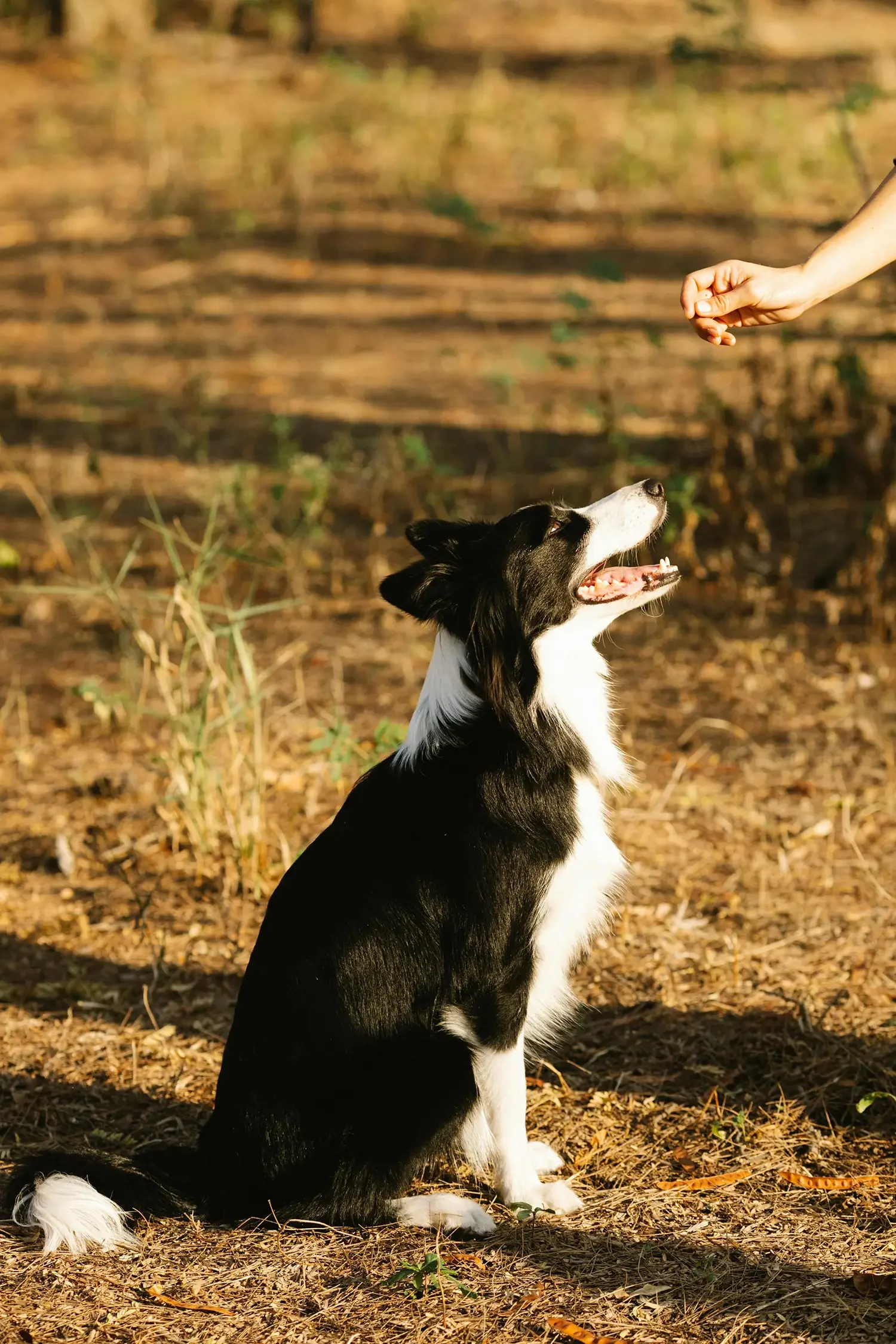
How Trauma Roots in the Nervous System
Trauma isn't the event itself — it's what happens inside the nervous system when an experience overwhelms the dog's ability to cope.
Trauma teaches the nervous system to expect danger, even when danger is no longer present.
So the dog:
reacts faster
recovers slower
gets overwhelmed easily
struggles to settle
misreads neutral things as threats
This isn't a “behavior problem."
It's a nervous system doing its best with what it has lived through.
Why Traditional Training Often Fails
Training techniques that rely on commands, pressure, or performance assume the dog is in a regulated state.
But a dysregulated dog:
cannot think clearly
cannot learn
cannot "listen"
cannot choose differently
Trying to change behavior without supporting the nervous system is like trying to teach someone to swim while they're drowning.
This is why your dog isn't "stubborn" or "defiant." They're overwhelmed.
How Healing Actually Happens
Healing begins when the dog experiences repeated moments of:
safety
predictability
reduced pressure
attuned human presence
choice
rest
co‑regulation
These experiences slowly teach the nervous system:
"I don't have to protect myself all the time."
As the nervous system softens, behavior softens.
As safety increases, connection increases.
As overwhelm decreases, learning becomes possible.
This is the heart of the Calm-to-Connection approach.
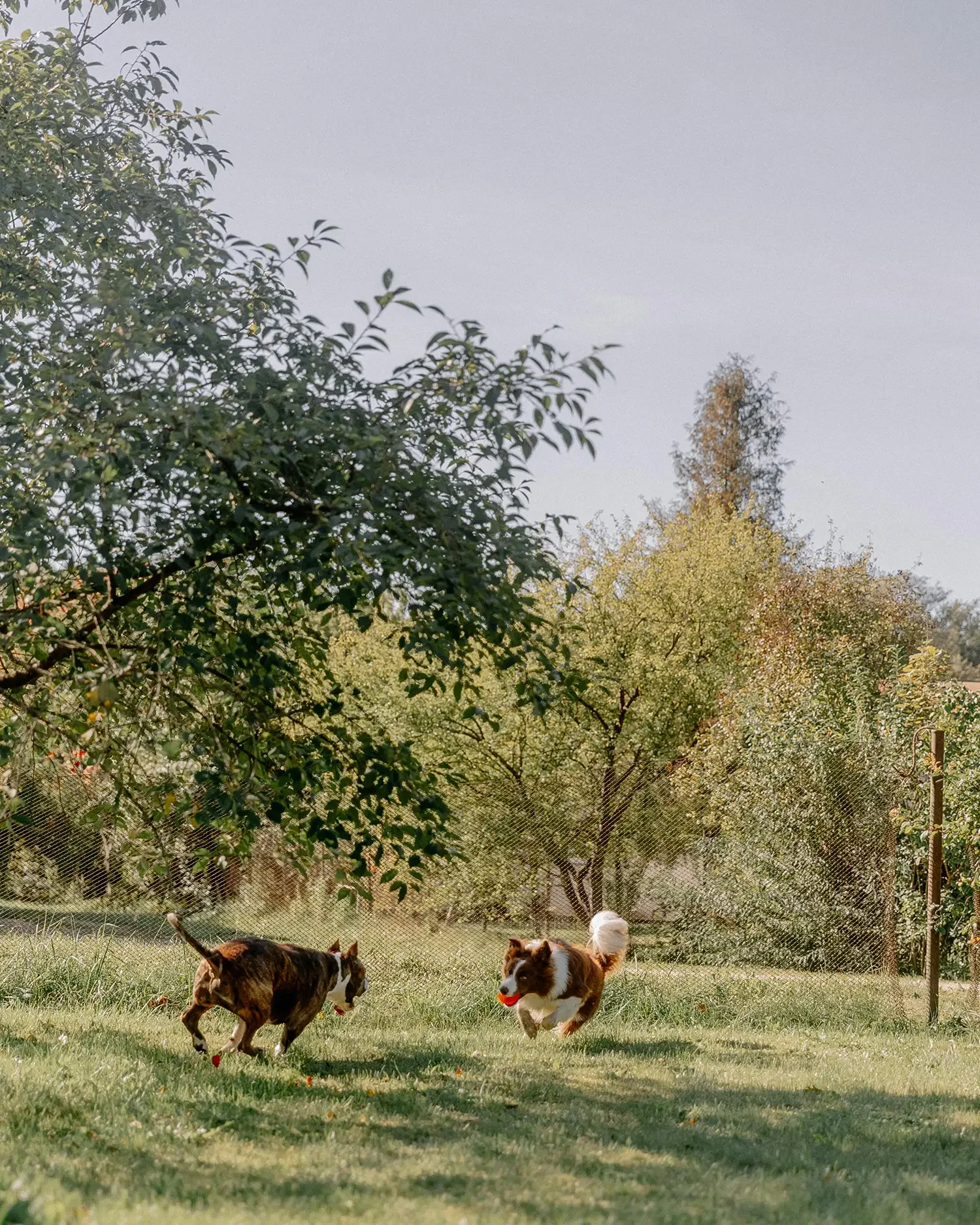

Where We Begin Together
Every pathway starts with understanding your dog’s nervous system — not judging their behavior. I look at:
stress load
environment
emotional triggers
health contributors
patterns of overwhelm
what safety looks like for your dog
From there, we create a plan that helps your dog feel safer, more regulated, and more connected — at a pace that honors their nervous system.