
Beneath the Behavior
Understanding Your Dog’s Nervous System
A gentle, science‑rooted look at why behavior happens — and how healing begins.
Every dog experiences the world through their nervous system. It's the part of the body that constantly scans for safety, interprets experiences, and decides how the dog needs to respond in order to survive. When a dog feels safe, their nervous system opens. When a dog feels overwhelmed, their nervous system protects.
This is the foundation of all behavior — not obedience, not training level, not "good" or "bad" choices.
Just physiology doing its best to keep the dog alive.
The Three Core Nervous-System States
Regulation
(Safe & Social)
This is the state where dogs feel grounded and open to the world around them.
You’ll see:
• relaxed muscles
• soft eyes
• curiosity
• the ability to rest
• the ability to learn
This is the state where connection and learning naturally happen.
Mobilization
(Fight or Flight)
When the nervous system senses danger, it prepares the body to move.
You might see:
• barking
• lunging
• pacing
• pulling
• frantic behavior
• hypervigilance
This isn’t “misbehavior.” It’s the nervous system saying:
“I need to protect myself.”
Shutdown
(Freeze or Collapse)
When escape doesn’t feel possible, the nervous system shuts down to survive.
You might see:
hiding
refusing food
stillness that looks “calm”
not responding
shutting down in new environments
This is not stubbornness. It’s the nervous system saying:
“This is too much.”
What Can Create Trauma in a Dog's Nervous System
Trauma isn’t always a dramatic event. For dogs, trauma often comes from chronic overwhelm, lack of safety, or experiences their nervous system wasn’t equipped to handle. These experiences shape how the dog sees the world and how quickly their system moves into survival mode.
-
Early Life Experiences
• under‑socialization
• chaotic or unpredictable environments
• lack of gentle exposure during critical periods
• being separated too early from litter or mother -
Stressful or Unsafe Environments
• overcrowded shelters
• frequent rehoming
• long transport journeys
• loud, chaotic foster settings
• inconsistent routines -
Abandonment or Loss
• being surrendered
• being left behind
• losing a familiar person or animal
• sudden changes in home or caregivers -
Negative or Overwhelming Experiences
• harsh training methods
• punishment or intimidation
• being forced into situations before they’re ready
• repeated exposure to triggers without support -
Physical or Medical Stress
• untreated pain
• chronic discomfort
• illness
• sensory sensitivities -
Emotional Deprivation
• lack of attuned human connection
• not having their needs understood
• being expected to “perform” before they feel safe
These experiences don't make a dog “broken."
They simply shape how their nervous system learned to survive.
How Trauma Roots in the Nervous System
Trauma isn't the event itself — it's what happens inside the nervous system when an experience overwhelms the dog's ability to cope.
Trauma teaches the nervous system to expect danger, even when danger is no longer present.
So the dog:
reacts faster
recovers slower
gets overwhelmed easily
struggles to settle
misreads neutral things as threats
This isn't a “behavior problem."
It's a nervous system doing its best with what it has lived through.
Why Traditional Training Often Fails
Training techniques that rely on commands, pressure, or performance assume the dog is in a regulated state.
But a dysregulated dog:
cannot think clearly
cannot learn
cannot "listen"
cannot choose differently
Trying to change behavior without supporting the nervous system is like trying to teach someone to swim while they're drowning.
This is why your dog isn't "stubborn" or "defiant." They're overwhelmed.
How Healing Actually Happens
Healing begins when the dog experiences repeated moments of:
safety
predictability
reduced pressure
attuned human presence
choice
rest
co‑regulation
A Different Kind of Behavior Work
Relationship‑based behavior work for sensitive, overwhelmed, and misunderstood dogs.
I help dogs feel regulated, understood, and emotionally grounded — so they can choose better behavior from a place of safety, not pressure.
As part of my assessment, I also look at your dog’s overall health and wellness — sleep, routines, sensory load, movement needs, and environmental factors — to identify whether stress, overwhelm, or toxic load may be contributing to their behavior patterns.
Because a regulated dog is a connected dog. And a connected dog is a well‑behaved dog.
A New Approach for Dogs Who Feel the World More Intensely
Some dogs don’t respond to traditional obedience training — not because they’re stubborn, but because their behavior isn’t a “command” issue. It’s an emotional one.
I specialize in dogs who:
-

Becomes overwhelmed quickly when the world feels too big or unpredictable
-

Shifts into shutdown or escalation when their nervous system hits overload
-

Is still developing social and emotional skills to feel safe with others
-

Feels every shift in tone, energy, or environment even the subtle ones
-
Hasn’t responded to traditional obedience because their nervous system needs something different
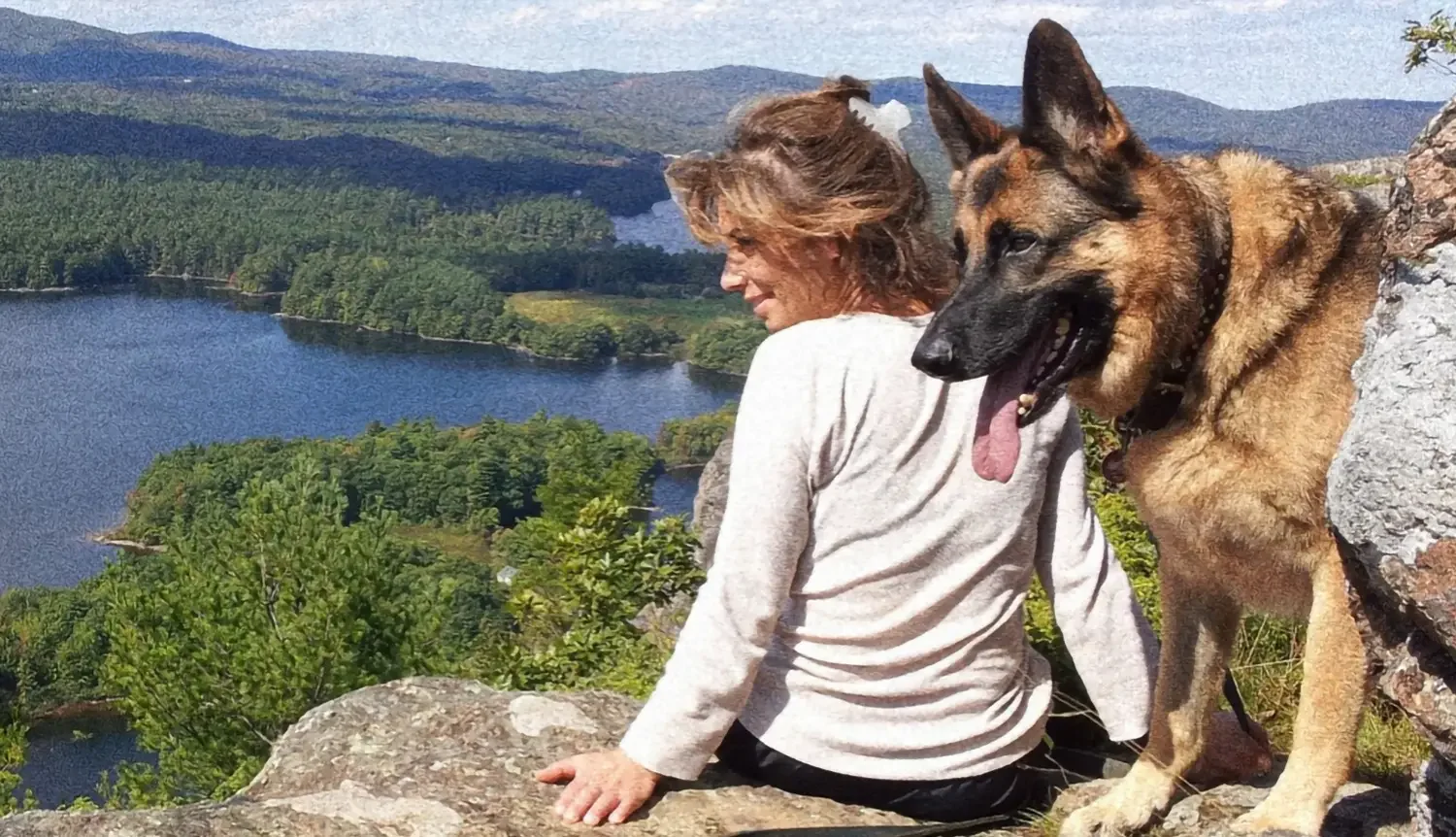
Meet Your Trainer
I’m Lyndsey, the founder of Breakthrough Dogs and the creator of the Intuitive Regulation Method, a relationship‑based approach for dogs who feel deeply.
Over the years, I’ve developed a way of working that blends intuitive clarity with grounded behavioral science. I read the subtle signals most people miss — the micro‑shifts in breath, weight, eyes, tension, and energy that reveal what a dog is experiencing beneath the surface.
Transformations
-
![Dog Training and Behavior Modification for Rescue Dogs]()
For The Love of Dogs
“I am pleased to recommend Lyndsey Crocket as an outstanding dog behaviorist. Her expertise in understanding canine behavior is evident in her approach, which combines knowledge and practical techniques aimed at improving both dog and owner experiences.
Lyndsey’s methodical assessments allow her to identify specific behavioral issues and tailor her training programs accordingly. She emphasizes positive reinforcement, which not only fosters better behavior but also enhances the bond between dogs and their owners. Her clear written and verbal communication and guidance empower pet owners to implement effective strategies with confidence.
We are a dog rescue, For the Love of Dogs Vermont Many adopters , including myself, have seen significant improvements in their dogs' behavior after working with Lyndsey . Her professionalism, patience, and dedication to helping dogs become well-adjusted companions make her an excellent choice for anyone seeking assistance with dog behavior. I highly recommend her services.”
Carole H Moore
Founder and Director
For the Love of Dogs Vermont -
![Dog Training and Dog Modification Plan to bond two dogs]()
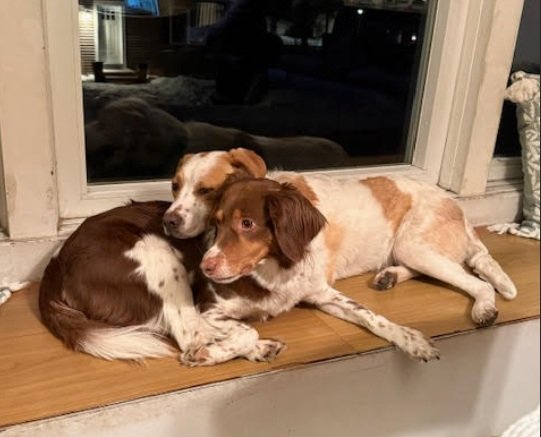
Hudson & Piper
“Hi Lyndsey, You provided phone and email support to my husband regarding our new dog, Hudson, and his relationship with our dog, Piper. I am very appreciative of this. Within days of implementing your recommendations all aggressions stopped, and they have formed a very nice relationship. They frequently play throughout the day, and they also rest together. Thank you so much for sharing your expertise and providing support. Take care.”
Catherine Parlante -
![Dog Training resulted in dog and cat living together]()
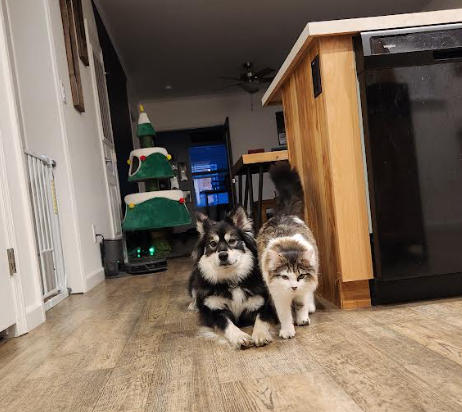
Persie
“I just wanted to provide an update on Persie. We finally have progress. I cannot thank you enough for the conversation we had. Its like a miracle happened. The younger kittens are now walking up to her and sitting next to her without being chased.
This is amazing and I can finally see a light at the end of the tunnel as we keep up on this training with her!”
-
![Dog Training]()
Ivy
“Thanks again for all of your helpful tips. We have been working very hard with Ivy over the past few months and have seen a huge improvement. She can now happily go in public, and for the most part does great. If somebody pays too much attention to her or looks at her for too long, she’ll let out a little growl to let us all know she’s uncomfortable but we are always trying to catch it before it gets to that point and tell people to just ignore her. She has been tethered to us and goes everywhere with us. We go to Lowe’s and Home Depot often just to walk around and be around people, and use treats as positive reinforcement when she does well and has a good interaction with a person. I feel like we’ve really learned a lot about her and what she needs, which has been helpful in supporting her.”
Ava Butler -
![Dog Behavior Modification Plan for Fearful Dog]()
Lucy and Lily
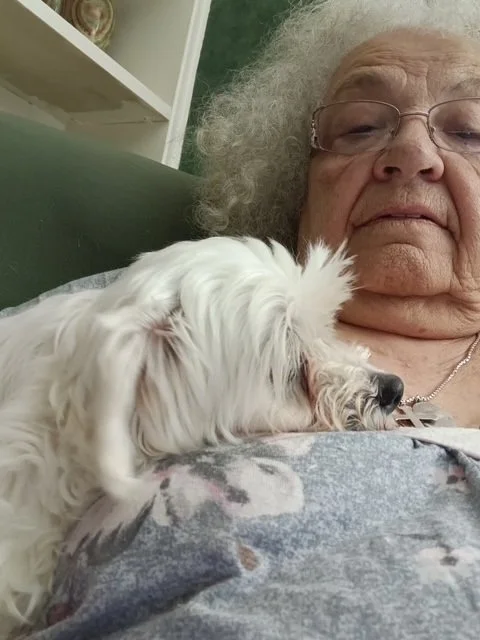
“I feel so blessed to have Lyndsey Crockett as my guide on my journey with Lily. Lily spent 5 years in a cage being bred over and over. She came to me extremely fearful of humans. If it were not for Lyndsey’s ability, love for animals and I swear her ability to read their spirits, I would have given up all hope. To see my little Maltese in such fear, tore my heart out. Some of the things I had to learn were so different from my human way of thinking. Lyndsey thank you for all your time and patience. It is so wonderful to watch Lily transform into a confident loving pup.”
- Lucy and Lily -
![Dog Training]()
Blueberry
“Lyndsey was so kind and patient with our anxious escape-prone pup. Blueberry, Not only did she put up with nervous dog parents but she also gave Blueberry a safe, fun- filled day packed with walks and love.”
Sally Murphy -
![Dog Training for Basset Hound]()
Rosie
“Couldn’t be more pleased with Lyndsey’s training and kind professionalism while working with my Bassett puppy - Rose”
Felicia Files -
![]()
Kiva
“Lyndsey supported my boyfriend and I through the first months of owning our first dog, a rescue. Lyndsey is amazing. She helped us develop a relationship with our dog, understand our dog, and establish boundaries and routines for her. She was there for a spontaneous call when our dog got in a fight with another dog, and we were shocked and unsure. She reassured us and helped us understand what we needed to do to manage and modify our dog's reactivity to other dogs. With consistency, we have seen our dog's trust and attention to us grow, and we are able to walk our dog around other dogs without a meltdown.
Again, we are super thankful for your support. You really helped us with Kiva and probably more importantly - you helped Kiva.”



Ready to Get Started?
Lorem ipsum dolor sit amet, consectetur adipiscing elit, sed do eiusmod tempor incididunt ut labore et dolore magna aliqua. Ut enim ad minim veniam, quis nostrud exercitation ullamco laboris nisi ut aliquip ex ea commodo consequat.